The Programme
The educational programme of the primary school of the Greek-French School Ursulines is in line with the Curriculum and is enriched with modern methodological approaches, supervisory and supplementary material. The methods place emphasis on the learning process itself, focusing on strategies that foster critical and creative thinking, while teaching students effective learning techniques.
Our aim is for students to acquire emotional and social skills, in addition to the core subjects. This is achieved through innovative actions inside and outside the school context.
Greek Language
- Correct phonological and expressive reading.
- Literary reading.
- Understanding of grammatical and syntactic phenomena.
- Spelling exercise.
- Written comprehension.
- Production of structured spoken language: (presentations of papers, book presentations).
- Vocabulary enrichment (conceptual frameworks of language).
- Production of structured written language.
Mathematics
- Building basic mathematical knowledge and procedures.
- Use of mathematical tools, models and methods.
- Cultivating a positive attitude towards mathematics.
- Strategies for solving problems in a methodical and organised way (using data - thinking - presenting solutions).
- Connecting and applying Mathematics in everyday life.
- Arithmetic techniques and problem-solving methods.
- Participation in mathematical competitions.
Natural Sciences
- Acquire knowledge of theories, laws and principles to build a strong knowledge base.
- Familiarisation with scientific methodology (observation, hypothesis formulation, information gathering-evaluation, experimental testing, data analysis-interpretation, inference, generalisation, construction of models).
- Cultivating skills through experimental activities and developing critical thinking about science.
- Knowledge of the organisation and processes of the environment and ability to participate in social problem-solving efforts using acquired knowledge and skills.
Humanities
The teaching of the subjects (History, Geography, Religious Studies, Social & Civic Education) aims at the intellectual formation of cultured people with qualitative characteristics.
New Technologies - Informatics
In collaboration with Technokids and with the Project Based Learning method, as well as with STEM (Science, Technology, Engineering, Mathematics) & ICT (Information and Communication Technology) activities, an integrated education system is provided.
- Objective: the IT & new technologies course to become a continuous discovery of the world of science.
- Implementation of technological projects based on the Project Based Learning method, with themes from the personal interests, experiences and experiences of the students.
- Through STEM & ICT students acquire comprehensive knowledge and skills to become tomorrow's digital citizens.
Artistic Education: Visual Arts - Music - Theatre
Cultivation of aesthetics, emergence of special talents and creative expression.
Sports
We believe in the enduring values of sport and fair play.
- Purpose of Physical Education: proper development and balance of the body, as well as to the mental and intellectual growth.
- Primary objective: developing motor skills and improving physical abilities.
- At the same time: the values of cooperation, teamwork, perseverance, discipline, self-discipline, solidarity, responsibility and self-esteem are nurtured.
• Early Years Classes: Emphasis is placed on body awareness, balance, coordination, orientation, rhythm, reaction, teamwork and the joy of play.
• Older Classes: Focus is placed on developing basic skills in basketball, volleyball, football, athletics, gymnastics, handball and rugby, as well as in traditional Greek dances.
- Grades 5-6: representative teams in sports meetings.
- Final objective: adopting the value of lifelong sport.
Social & Emotional Education
Within the timetable — primarily in the Flexible Zone — programmes for social and emotional development are implemented to foster a positive classroom atmosphere, strengthen mental resilience and teach techniques for managing emotions and coping with crises. The programme is delivered by teachers who have received training from the Department of School Psychology at the University of Athens.
Foreign Languages in Primary School
French A French-speaking environment is created in the classroom, with teaching and learning following a structured curriculum and clear objectives for each year group.
- 4 hours per week in Years 1–2 and 5 hours per week in Years 3–6
- Integration of subjects across the curriculum
- Use of modern technological tools (interactive whiteboards, digital materials and e-books)
- Gradual development of the four core skills: listening comprehension, speaking, reading comprehension, writing
- Enhanced speaking lessons from Years 4 to 6
- Experiential activities to promote familiarisation and communication in French
.PNG)
French as a vehicle of culture
Participation in the DELF examinations organised by the French Institute of Greece DELF A1 scolaire and junior (grade 6), and gradually (from 2022-2023) DELF A1 prim (grade 5) & DELF A2 prim (grade 6).
- Cooperation with IFG, participation in the Francophone competition.
- Co-organization of a two-day French-speaking cinema event.
- "Vive le Rugb(y)ilingue!" with a rugby team and Greek/French coaches.
- Participation in Erasmus+.
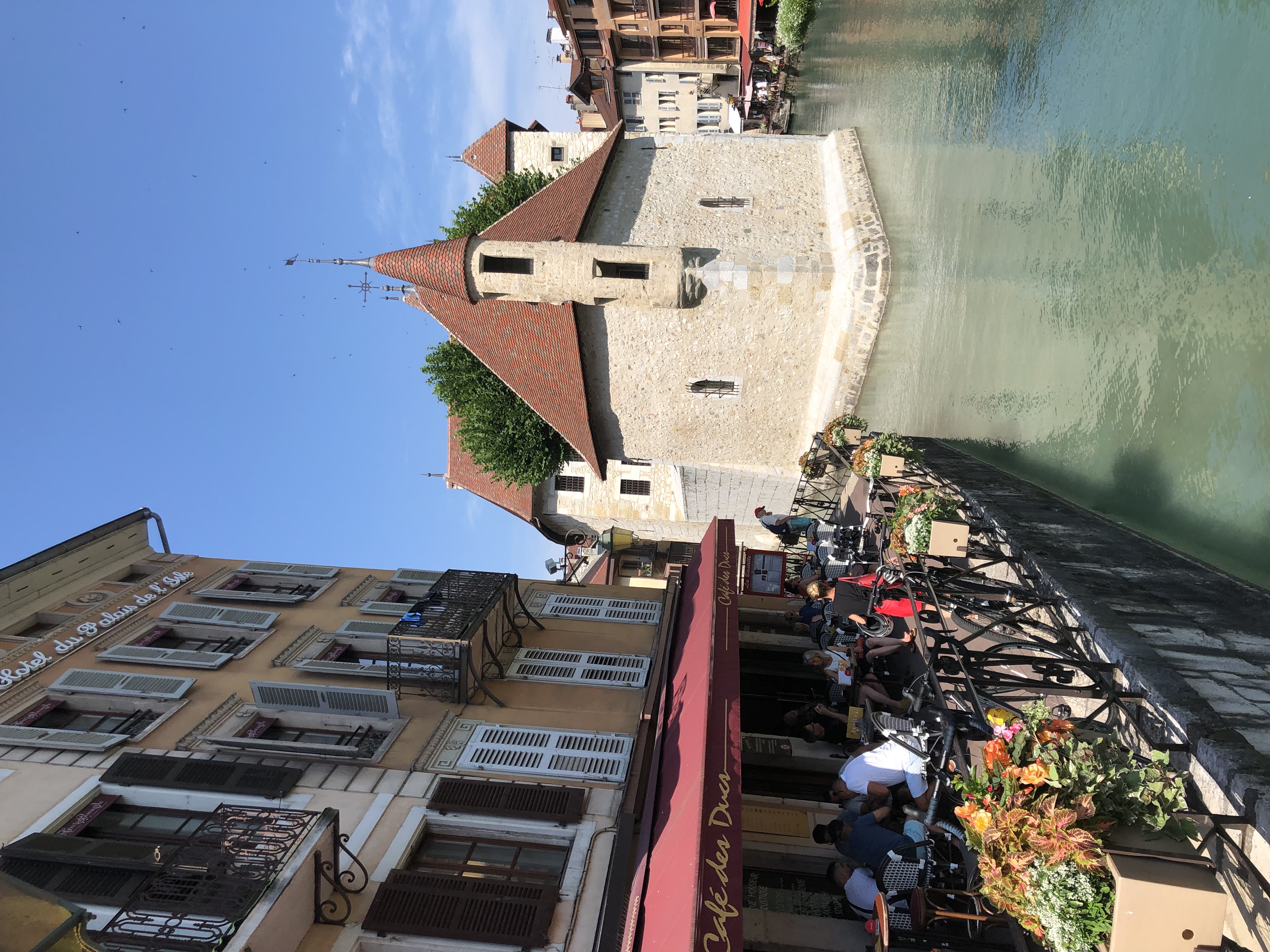
- Contact & cooperation with La Salle - Ursulines network schools in France.
- Theatrical performances in French.
- Celebrations/revivals of customs and historical events of French culture.
- French philanthropy and the operation of a French section in the COUVRELIRE library.
- Completion of studies with a study trip to France (grade 6).
English Language Programme
English teaching in Primary School follows an enriched three-hour weekly programme from Year 1 to Year 6.
- Experiential learning using interactive whiteboards and e-books.
- Introduction to presentation skills.
- Gradual development of listening, reading, and comprehension abilities.
- Communication and free expression through dialogues, exhibitions, and cross-curricular projects.
- Participation in the Cambridge Young Learners Exams (Year 5).
- Participation in the international Kangaroo Global Linguistics Competition (Year 6).
This programme lays the foundation for continued progress at Secondary School and for the attainment of Cambridge English qualifications.
Trilingual Programme
The school offers a trilingual curriculum, with students receiving high-level instruction in Greek, French and English. French is the principal foreign language and plays a key role in shaping the school’s cultural identity, while academically both foreign languages hold equal status.
.PNG)